
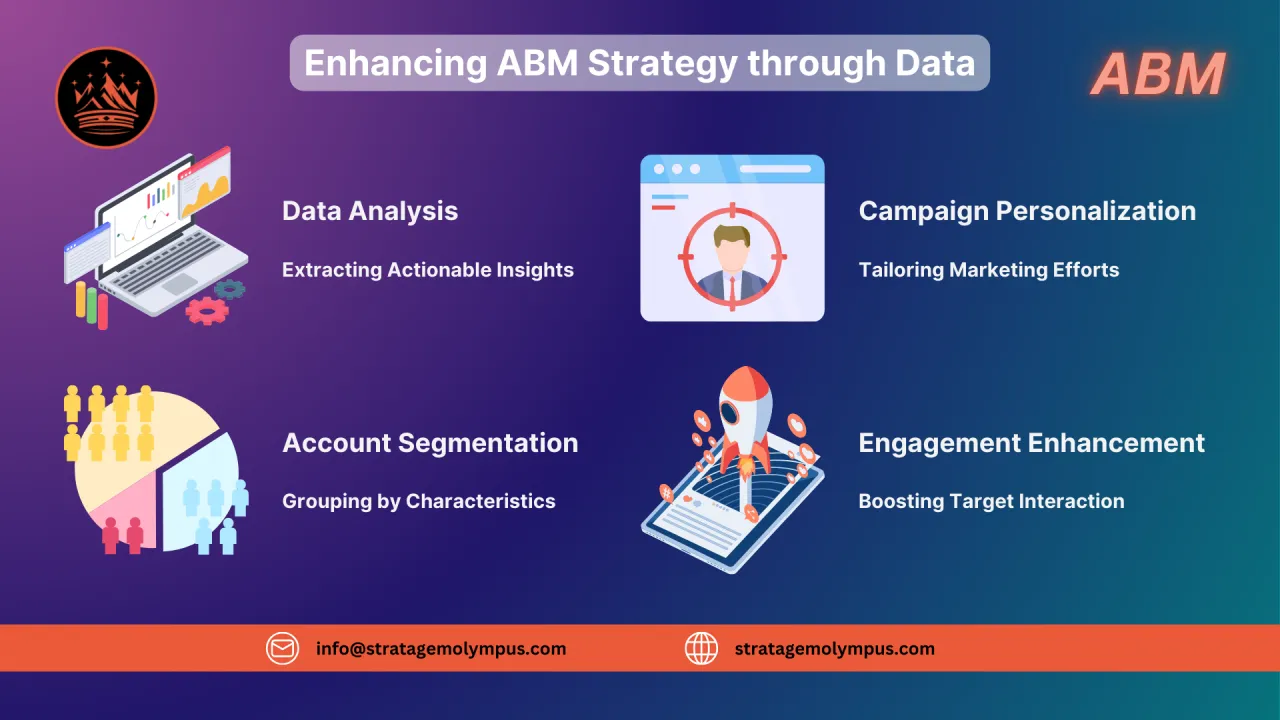
In Account-Based Marketing (ABM), understanding your target accounts is of paramount significance. For industrial engineering manufacturers, where the sales cycle is often lengthy and complex, having a deep understanding of potential clients can make the difference between a successful campaign and a missed opportunity. This blog from our ABM Series focuses on the critical role of Data and Analytics in researching target accounts. This blog will explore how to effectively gather and analyze data, the types of insights you can gain, and how to leverage this information to enhance your ABM Strategy.
The Role of Data and Analytics in ABM
Data and Analytics serve as the backbone of any successful ABM Strategy. By collecting relevant data, manufacturers can gain insights into the needs, preferences, and behaviours of their target accounts. This information allows for the creation of personalized marketing campaigns that resonate with specific stakeholders within those accounts.
Why Researching Target Accounts is Essential?
- Identifying Pain Points: Understanding the challenges faced by your target accounts enables you to tailor your messaging and solutions to address their specific needs. For instance, if a manufacturing company is struggling with supply chain disruptions, your marketing efforts can highlight how your products or services can mitigate these issues.
- Enhancing Engagement: Personalized content that speaks directly to the interests and concerns of your target accounts is more likely to engage decision-makers. Research shows that personalized emails have a higher open rate, which can lead to increased engagement and conversion rates.
- Improving Sales Alignment: When marketing and sales teams have a shared understanding of target accounts, they can work together more effectively. This alignment ensures that both teams are on the same page regarding account priorities and strategies, leading to a more cohesive approach to nurturing leads.
- Optimizing Resource Allocation: By identifying high-potential accounts through data analysis, manufacturers can allocate their resources more effectively. This means focusing efforts on accounts that are more likely to convert, rather than spreading resources too thin across a broad audience.
Key Data Points to Track
To effectively research target accounts, manufacturers should focus on several key data points:
1. Firmographics
Firmographic data includes information about the company itself, such as industry, company size, revenue, and location. This data helps in segmenting accounts and understanding their market position. For example, a manufacturer targeting automotive companies may prioritize accounts with a certain revenue threshold or those located in regions with a high concentration of automotive manufacturers.
2. Technographics
Understanding the technology stack used by target accounts can provide insights into their operational capabilities and challenges. For instance, if a target account uses outdated machinery, your marketing can emphasize how your advanced solutions can enhance efficiency and productivity.
3. Behavioural Data
Tracking how target accounts interact with your content and website can reveal valuable insights into their interests and needs. Analyzing metrics such as page views, downloads, and engagement rates can help identify which topics resonate most with specific accounts.
4. Customer Feedback and Reviews
Monitoring customer feedback, testimonials, and reviews can provide insights into what target accounts value most in a product or service. This information can inform your messaging and highlight features that align with their preferences.
5. Industry Trends
Staying informed about industry trends and challenges can help manufacturers anticipate the needs of their target accounts. For example, if there is a growing trend towards sustainability in manufacturing, your marketing can emphasize how your products contribute to eco-friendly practices.
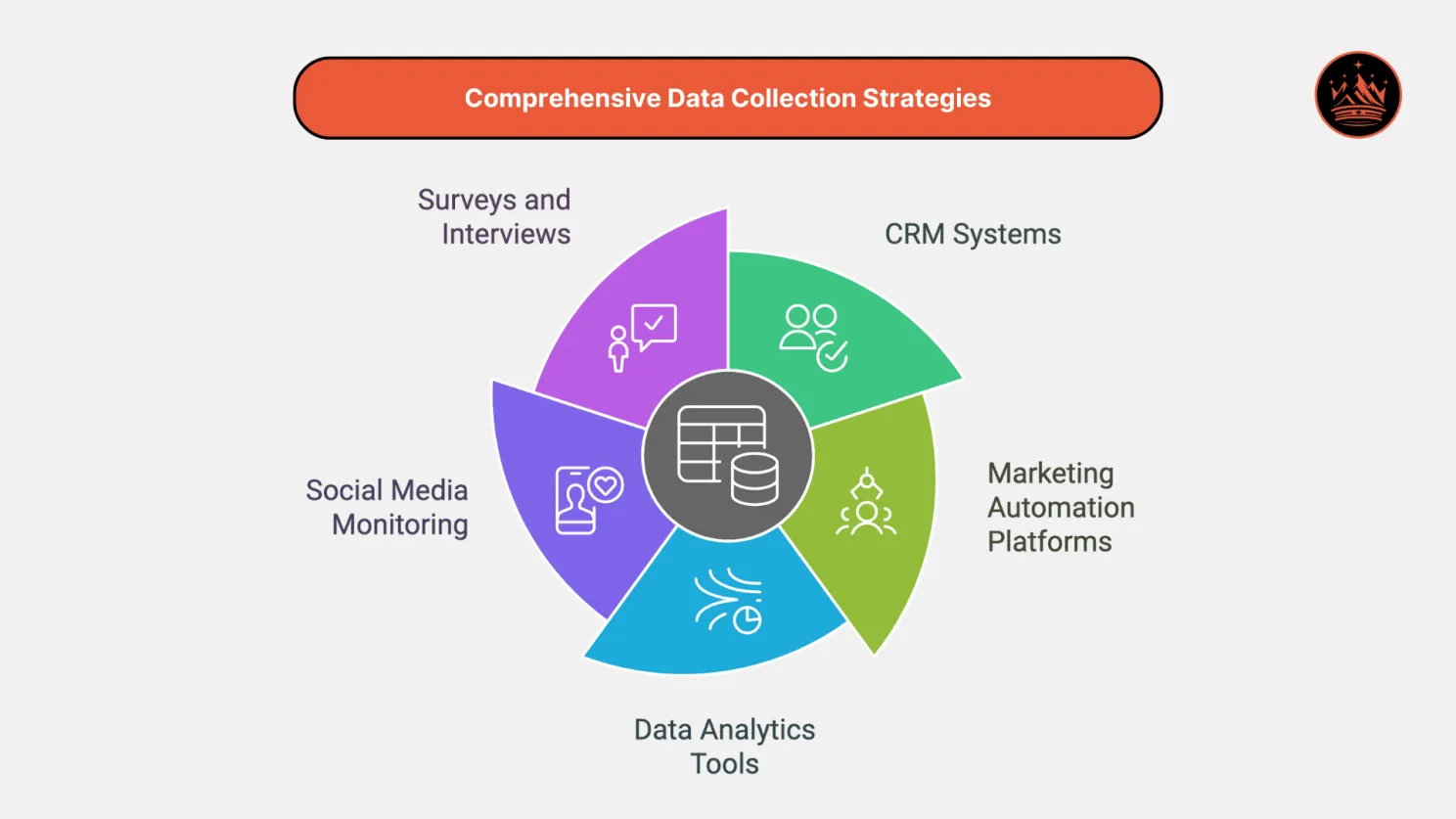
Tools and Techniques for Data Collection
To gather and analyze the necessary data, manufacturers can utilize various tools and techniques:
1. Customer Relationship Management (CRM) Systems
CRM Systems are essential for tracking interactions with target accounts. They allow manufacturers to store and analyze data related to customer interactions, sales history, and engagement metrics. This centralized data can provide a comprehensive view of each account’s journey.
2. Marketing Automation Platforms
Marketing Automation tools can help manufacturers segment their audience and deliver personalized content based on account behaviour. These platforms often include analytics features that track engagement and conversion rates, providing insights into the effectiveness of marketing campaigns.
3. Data Analytics Tools
Utilizing Data Analytics tools can help manufacturers analyze large datasets to identify patterns and trends. These tools can provide insights into customer behaviour, preferences, and market dynamics, enabling more informed decision-making.
4. Social Media Monitoring
Monitoring Social Media Channels can provide real-time insights into how target accounts engage with your brand and industry. This can help identify potential leads and understand the sentiment surrounding your products or services.
5. Surveys and Interviews
Conducting Surveys and Interviews with existing customers and prospects can provide qualitative insights into their needs and preferences. This direct feedback can be invaluable in shaping your marketing strategy and messaging.
Analyzing Account-Level Data
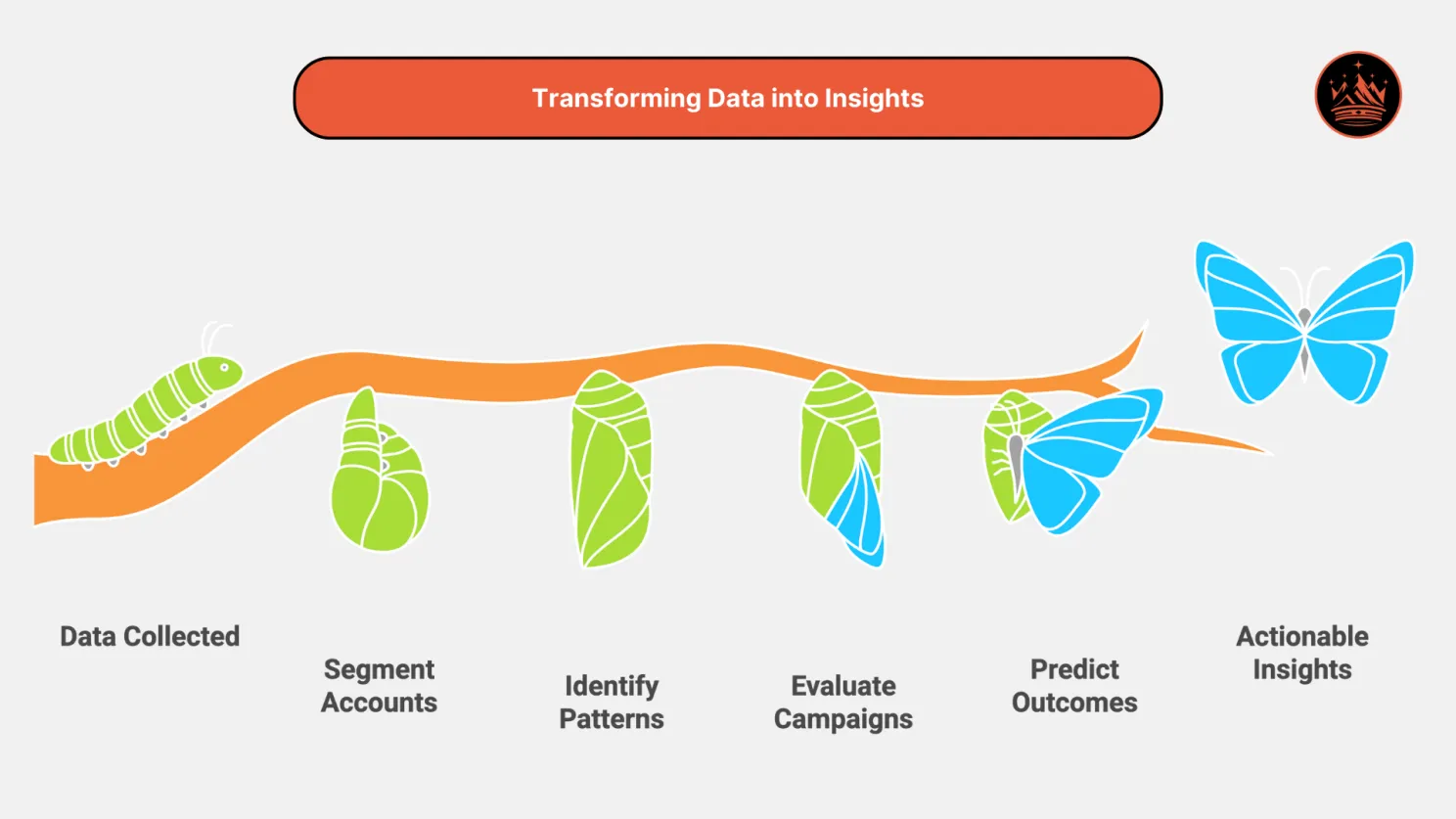
Once data is collected, the next step is to analyze it to gain actionable insights. Here are some strategies for effective analysis:
1. Segmenting Accounts
Segmenting target accounts based on shared characteristics or behaviours allows for more targeted marketing efforts. For example, you may create segments based on industry, company size, or engagement level, enabling you to tailor your messaging accordingly.
2. Identifying Patterns and Trends
Analyzing data over time can help identify patterns and trends in account behaviour. For instance, if a particular account consistently engages with content related to packaging machinery maintenance & breakdowns, this indicates a potential area of interest that can be leveraged in future marketing efforts.
3. Evaluating Campaign Effectiveness
Using Data Analytics to evaluate the effectiveness of your marketing campaigns is crucial. By tracking key performance indicators (KPIs) such as conversion rates, engagement levels, and customer feedback, manufacturers can assess what is working and what needs improvement.
4. Utilizing Predictive Analytics
Predictive Analytics can help identify high-potential accounts by analyzing historical data and identifying patterns that indicate future behaviour. This allows manufacturers to prioritize accounts that are more likely to convert.
Researching target accounts using Data and Analytics is a critical component of a successful ABM Strategy for industrial manufacturers. By understanding the specific needs, preferences, and behaviours of target accounts, manufacturers can create personalized marketing campaigns that resonate with decision-makers. Utilizing the right tools and techniques for data collection and analysis will enable manufacturers to optimize their ABM efforts, improve engagement, and ultimately drive business growth. As the industrial landscape continues to evolve, leveraging data-driven insights will be essential for staying ahead of the competition and meeting the demands of target accounts.
-1.png)
-1.png)