
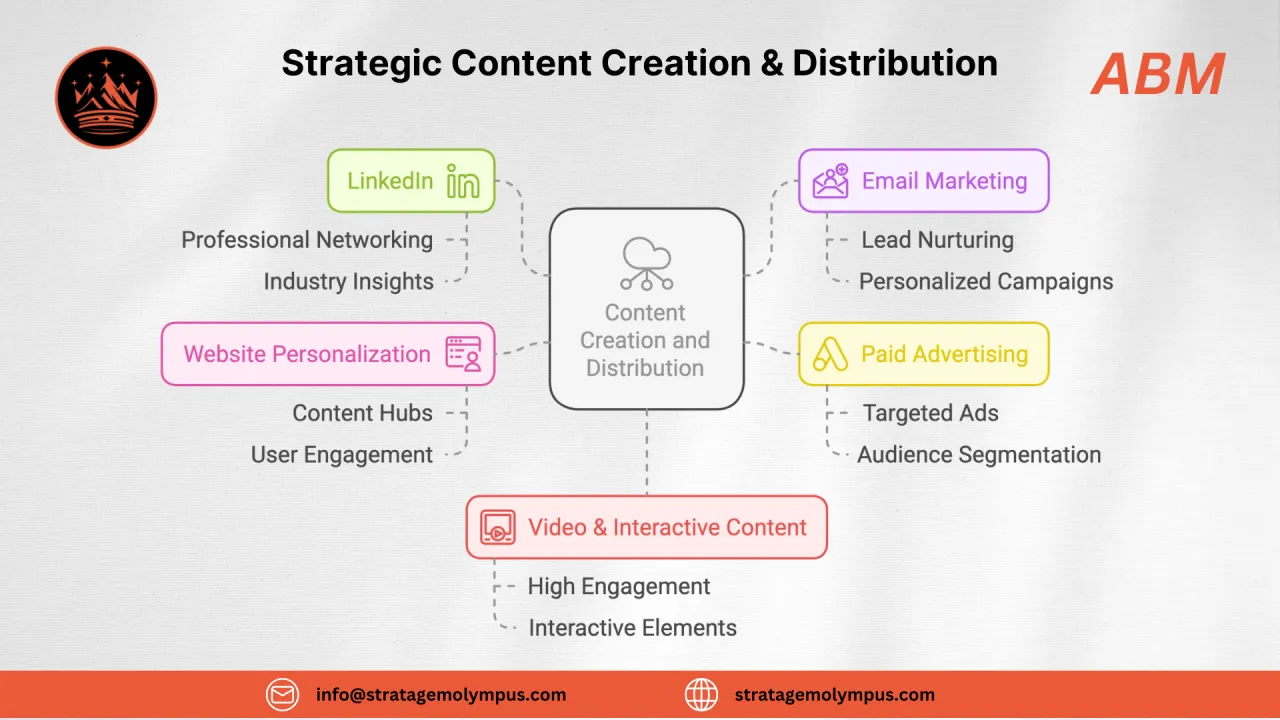
Content is the lifeblood of Account-Based Marketing (ABM)—but even the most well-crafted, highly personalized content won’t drive results if it doesn’t reach the right stakeholders at the right time. Industrial manufacturing companies operate in a highly specialized, competitive, and often complex market, making content distribution just as critical as content creation.
This blog explores how to leverage technology for strategic content distribution, ensuring that your ABM efforts engage key decision-makers, drive deeper account penetration, and accelerate deal closures.
Why Technology Matters in ABM Content Distribution?
Traditional content distribution methods—such as email marketing, printed brochures, and in-person meetings—are no longer sufficient to reach today’s digitally active industrial decision-makers.
With multiple stakeholders involved in purchasing decisions, ABM requires a multi-touch, data-driven approach that ensures content is not only seen but also engages the right people at the right time.
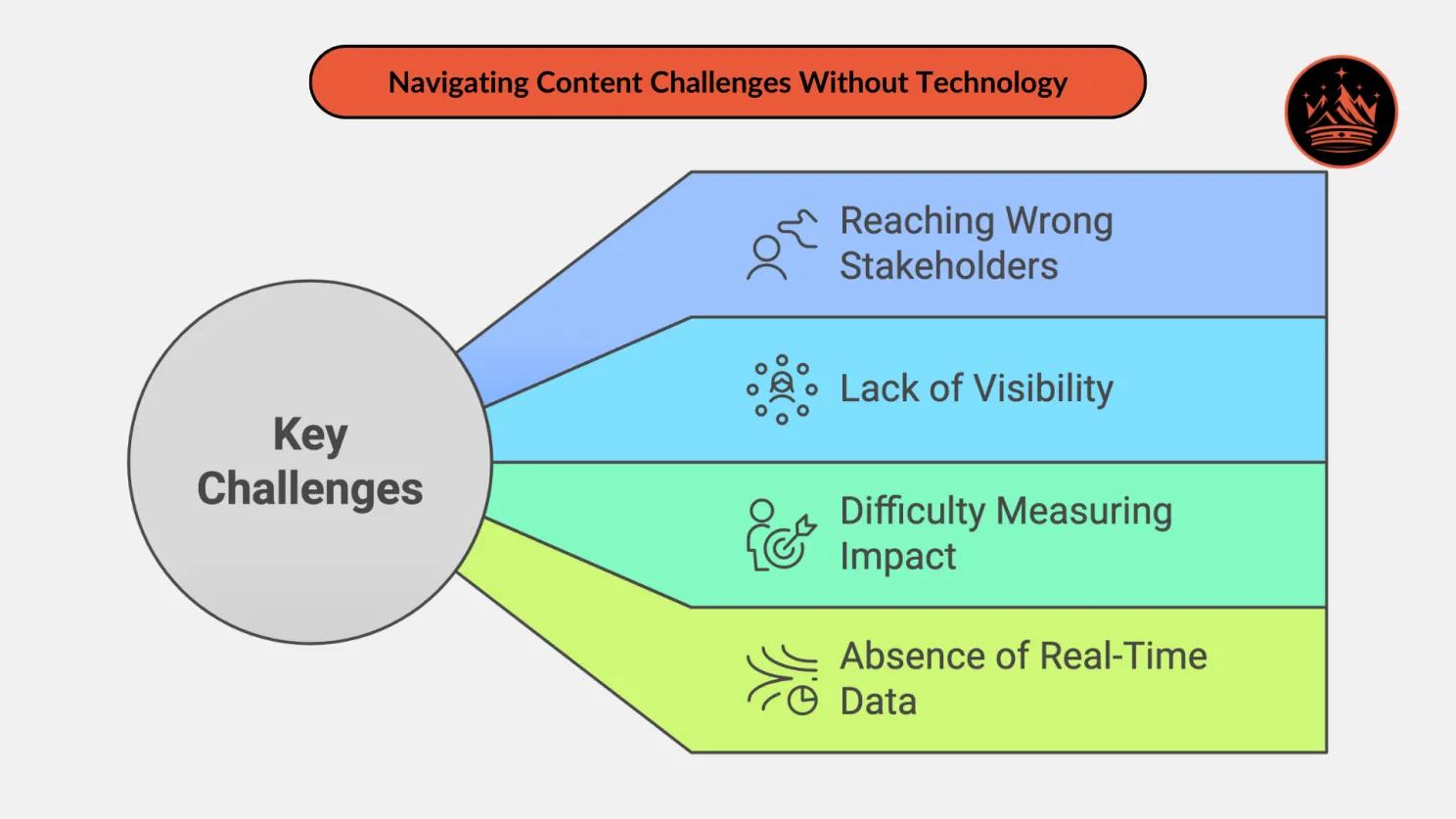
Key Challenges Without Technology:
✔️ Content often reaches the wrong stakeholders.
✔️ No visibility into who engages with content.
✔️ Difficulty measuring content impact across channels.
✔️ Lack of real-time data on high-intent accounts.
By leveraging AI-driven platforms, automation tools, and intent data tracking, industrial engineering manufacturers can optimize content distribution, personalize engagement, and measure performance with precision.
ABM Content Distribution Channels & Technology Stack
ABM Content should be distributed through a combination of owned, earned, and paid channels. Each platform plays a role in targeting the right stakeholders, driving engagement, and nurturing prospects. Below is a breakdown of the most effective content distribution channels, along with recommended tools for execution.
1. LinkedIn: The B2B Industrial Powerhouse
✔️ Why It Works?
Industrial decision-makers actively engage with technical insights, case studies, and thought leadership content on LinkedIn.
✔️ Best Practices:
- Use LinkedIn Matched Audiences to target specific accounts.
- Share technical articles, product updates, and success stories as LinkedIn posts and articles.
- Leverage LinkedIn Conversation Ads to deliver content directly into decision-makers’ inboxes.
- Use LinkedIn Retargeting Ads to keep your brand top-of-mind with accounts engaging with your website.
✔️ Technology to Use:
- LinkedIn Sales Navigator – Advanced targeting for outreach.
- LinkedIn Ads Manager – Sponsored content and account-based ad targeting.
- Hootsuite / Sprout Social, Inc. – For scheduling and managing LinkedIn content.
Example:
A manufacturer of automated palletizing systems runs a LinkedIn Ad Campaign targeting warehouse operations managers. The campaign promotes a technical white-paper on optimizing packaging efficiency, leading to high engagement from key accounts.
2. Email Marketing: The Backbone of ABM Nurturing
✔️ Why It Works?
Email remains the most cost-effective, scalable way to distribute personalized content directly to decision-makers.
✔️ Best Practices:
- Segmentation: Tailor email content to different job roles (Example: plant managers receive ROI-focused content, engineers receive technical specifications).
- Automation: Use email sequences to drip-feed technical & educational content over time.
- Behavioural Triggers: Automate emails based on engagement (Example: sending a case study when a recipient downloads a white-paper).
✔️ Technology to Use:
- HubSpot / Brevo / Adobe Marketo / ActiveCampaign – For marketing automation and email sequencing.
- Apollo.io / ZoomInfo / Snov.io – For sales email automation and account-based follow-ups.
Example:
An air compressor system manufacturer creates a 4-part email sequence targeting plant managers. The first email shares an industry benchmarking report on energy efficiency, and based on engagement, the follow-up emails provide technical documentation, ROI calculators, and a free energy audit offer.
3. Paid Advertising for Hyper-Targeted Outreach
✔️ Why It Works?
ABM Advertising ensures content reaches specific decision-makers at target accounts—bypassing noise and generic audiences.
✔️ Best Practices:
- Use LinkedIn’s Company Targeting to deliver ads only to key accounts.
- Invest in Retargeting Ads for prospects who engaged with earlier content.
- Serve Personalized Display Ads featuring industry-specific messaging.
✔️ Technology to Use:
- Google Ads (Display & YouTube) – For remarketing and video promotions.
- LinkedIn Ads – For account-based content promotion.
- Demandbase / 6sense – For AI-Driven ABM Ad Targeting.
Example:
A CNC Machine Tool Manufacturer runs a Google Display Ad Campaign targeting website visitors from machinery manufacturing companies. The ad promotes a comparison guide on High-Speed Milling vs. Traditional Machining, leading to an increase in high-value inquiries from procurement teams.
4. Website Personalization & Content Hubs
✔️ Why It Works?
Your website is a central hub for ABM content, but different stakeholders require different information. Personalizing the experience increases engagement and lead conversions.
✔️ Best Practices:
- Create industry-specific landing pages showcasing solutions tailored to different manufacturing sectors.
- Use Website Personalization Software to adjust content dynamically based on visitor behaviour.
- Offer Gated Content (Example: Interactive ROI Calculators, Industry Benchmarks / Reports, and Technical / Engineering Guides) to capture leads.
✔️ Technology to Use:
- HubSpot / Personyze – For personalizing website experiences.
- Uberflip | A PathFactory Company / Paperflite – For creating personalized content hubs.
- Hotjar | by Contentsquare / Crazy Egg – For tracking visitor behaviour and optimizing landing pages.
Example:
A manufacturer of Industrial Mixers implements dynamic website personalization for different food production applications (Example: Dairy, Bakery, and Beverages). When a beverage company executive visits, they automatically see case studies related to beverage processing, leading to a significant increase in engagement.
5. Video & Interactive Content for High Engagement
✔️ Why It Works?
Decision-makers prefer video over text-heavy reports. Interactive tools also keep prospects engaged and help simplify complex engineering concepts.
✔️ Best Practices:
- Use Video Demos & Walkthroughs to explain technical machinery features.
- Leverage Interactive ROI Calculators to showcase cost savings, cost estimates, etc.
- Host Live Webinars for Q&A sessions with product engineers & technical team members.
✔️ Technology to Use:
- Wistia / ADILO – For video hosting and engagement tracking.
- Ceros / Outgrow.co – For interactive calculators and product configurators.
- Zoom / GoToMeeting / GoToWebinar – For hosting virtual demos and technical training.
Example:
A Pneumatic Conveyor System Manufacturer creates a virtual demo where buyers can adjust conveyor speed and load types to see real-time energy savings. The interactive tool leads to high-value leads from food processing companies.
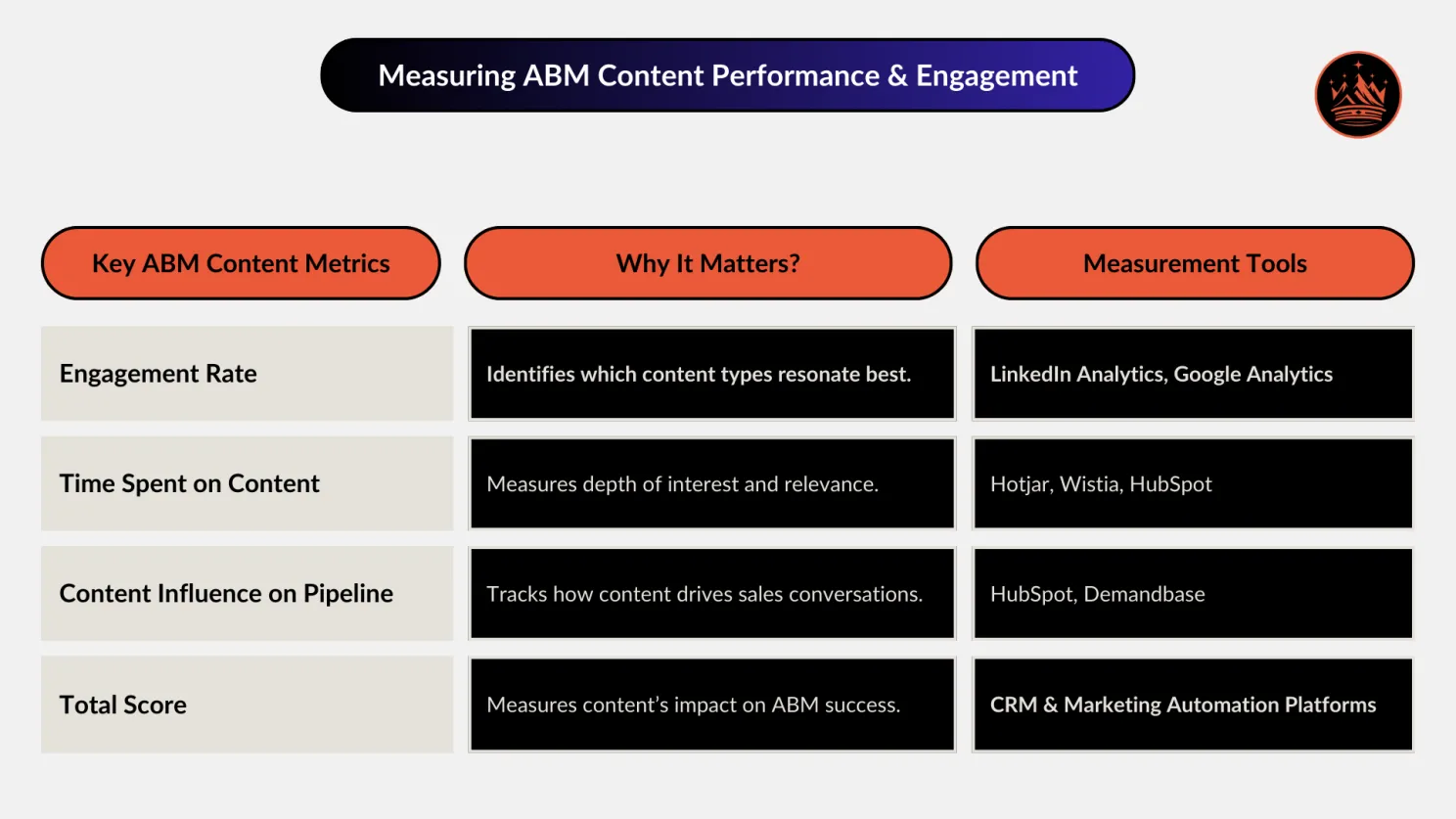
Measuring ABM Content Performance & Engagement
Content Distribution is only as valuable as the insights it generates. Industrial engineering manufacturers must track engagement metrics to refine strategies and optimize ROI.
Key Takeaways
- Technology makes Content Distribution targeted, scalable, and measurable.
- Use LinkedIn, Email Automation, Paid Ads, and Website Personalization to engage key accounts.
- Track engagement to refine content strategies and maximize impact.
- Interactive and Video Content increase engagement and accelerate the buyer journey.
By integrating the right mix of technology-driven content distribution channels, industrial engineering manufacturers can ensure their ABM strategies reach the right stakeholders with precision and impact. From LinkedIn targeting and email automation to personalized websites and interactive tools, each component plays a crucial role in engaging decision-makers, nurturing relationships, and accelerating deal progression. The ability to track content performance and adapt strategies based on real-time insights further enhances the effectiveness of ABM initiatives. As we move forward, the next step is to focus on relationship-building strategies—ensuring that beyond just distributing content, your brand actively fosters meaningful connections with high-value accounts.
Next Up: In the next blog, we’ll explore how to engage target accounts through relationship-building strategies in ABM. Stay tuned for high-impact insights on stakeholder engagement and conversion strategies.
-1.png)
-1.png)