
In the industrial engineering & manufacturing sector, identifying and targeting the right accounts is critical to success. With Account-Based Marketing (ABM), precision targeting is the cornerstone of a well-executed strategy. However, even with a well-defined Ideal Customer Profile (ICP), not all accounts are created equal. This is where account segmentation comes into play.
Segmentation allows industrial engineering manufacturers to categorize target accounts based on key attributes, enabling efficient resource allocation, personalized engagement, and higher ROI. In this blog, we’ll explore methods for segmenting target accounts and how to prioritize them based on potential value.
Why Segment Target Accounts?
Account Segmentation isn’t just about organization; it’s about aligning your ABM efforts with the accounts that matter most. For industrial engineering manufacturers, segmentation:
- Ensures resources are focused on accounts with the greatest revenue potential.
- Facilitates personalized messaging by grouping accounts with similar needs.
- Helps sales and marketing teams align strategies to engage diverse accounts effectively.
Methods for Segmenting Target Accounts
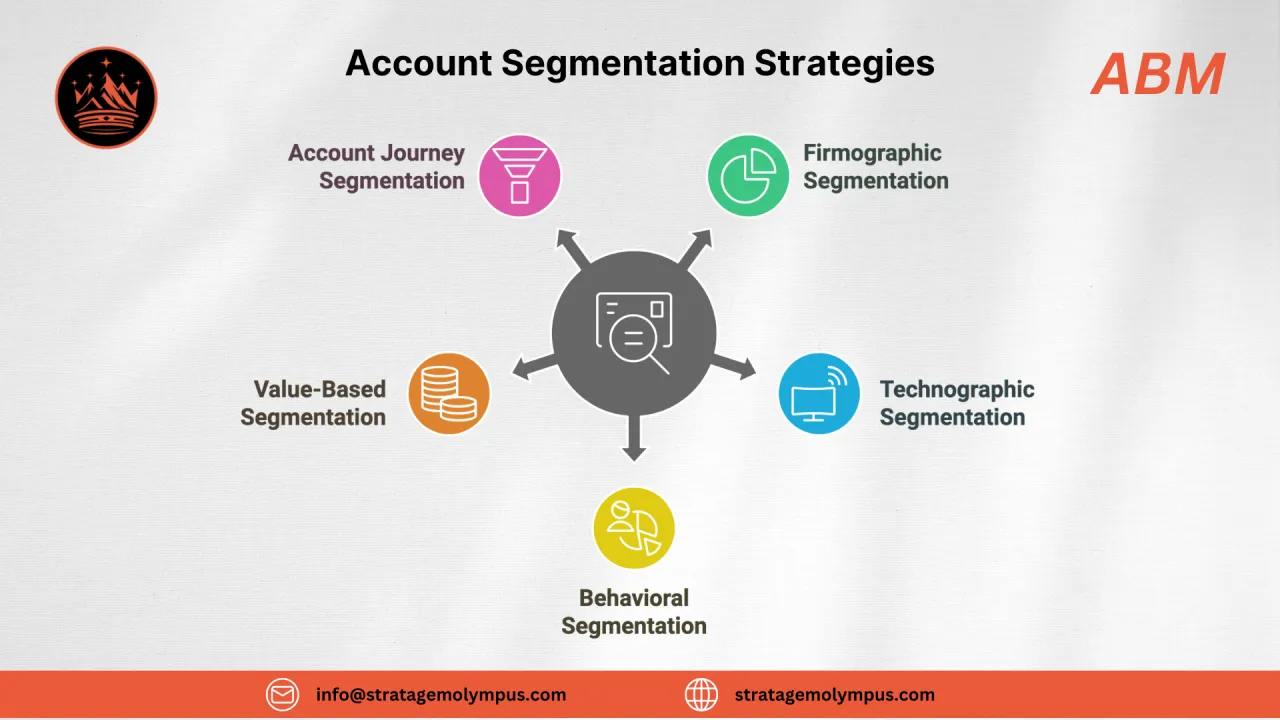
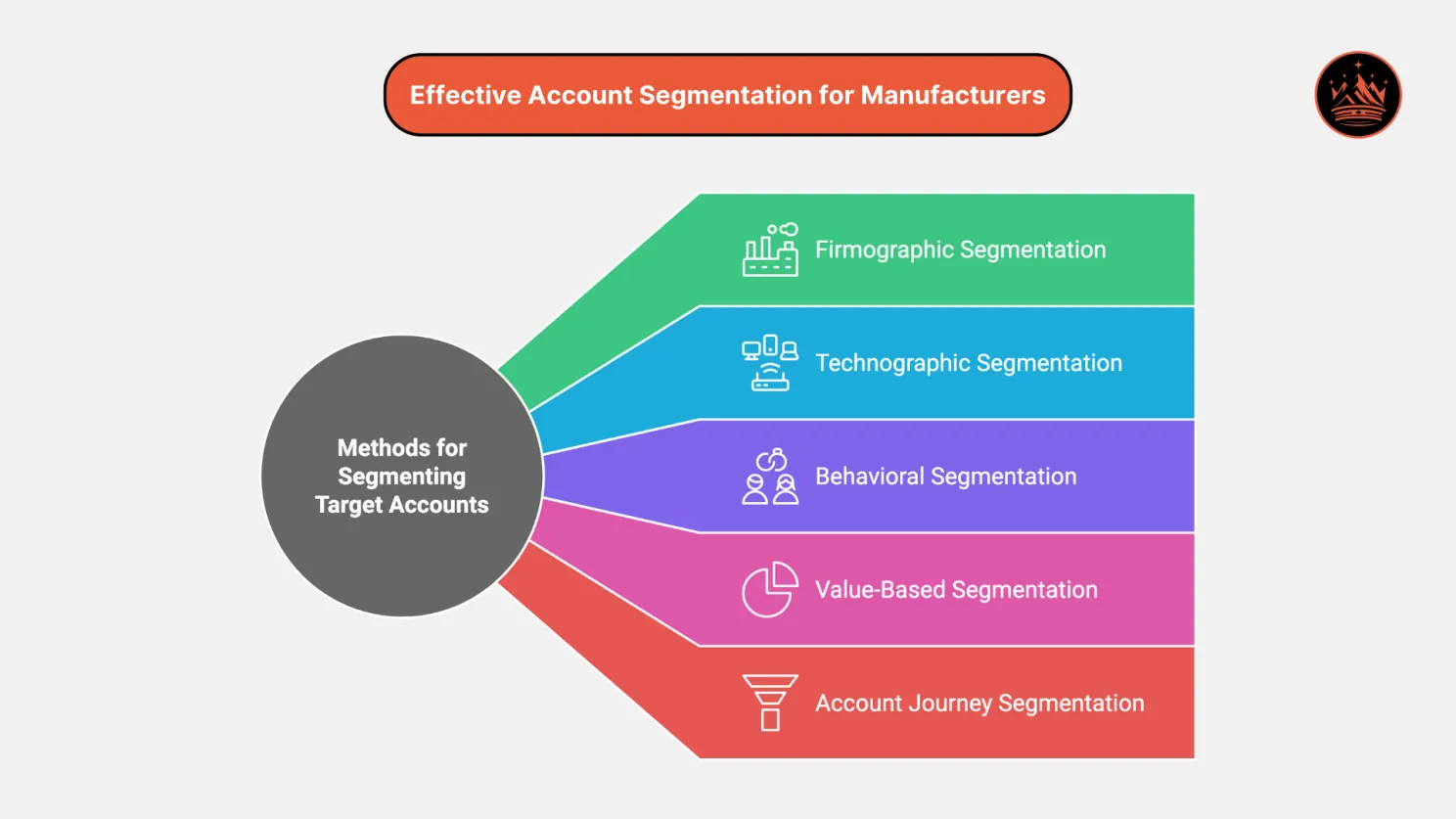
Segmentation involves dividing your target accounts into smaller groups based on specific criteria. Here are some effective methods for industrial engineering manufacturers:
1. Firmographic Segmentation
Firmographics are the foundational building blocks for segmenting accounts. Key attributes include:
- Industry: Focus on industries that align with your offerings, such as automotive, aerospace, or food processing.
- Company Size: Segment by revenue, employee count, or operational scale. For instance, larger enterprises may require bespoke solutions, while SMEs might value cost-effective offerings.
- Geography: Group accounts by location, focusing on industrial hubs or regions with favourable regulations.
- Growth Stage: Identify accounts based on their business growth stage (e.g., startups, scaling companies, mature enterprises).
Example: A manufacturer of automated assembly lines might segment accounts into automotive OEMs, Tier-1 suppliers, and emerging electric vehicle companies.
2. Technographic Segmentation
Technographics focus on the technology stack used by target accounts. This is particularly useful for industrial manufacturers offering advanced solutions such as IoT, robotics, or AI-powered equipment.
Key Attributes:
- Use of complementary technologies (e.g., ERP systems, CAD software)
- Investment in automation or Industry 4.0 initiatives
- Digital maturity and willingness to adopt new technologies
Example: A company selling IoT-enabled sensors might segment accounts based on their adoption of smart factory technologies.
3. Behavioural Segmentation
Behavioural data provides insights into how accounts interact with your brand and content. Key attributes include:
- Website activity (e.g., time spent on product pages or resource downloads)
- Engagement with emails or social media campaigns
- Attendance at events or webinars
Example: Accounts consistently downloading case studies on predictive maintenance could be segmented as high-interest prospects for an industrial maintenance solution provider.
4. Value-Based Segmentation
Segment accounts based on their potential revenue contribution. This method aligns closely with the Pareto Principle (80/20 Rule)—prioritizing the top 20% of accounts that generate 80% of revenue.
Key Criteria:
- Historical Purchasing Behaviour
- Predicted Lifetime Value (LTV)
- Contract Size and Repeat Business Potential
Example: A manufacturer of industrial coatings might prioritize accounts with high annual usage rates and opportunities for upselling.
5. Account Journey Segmentation
Different accounts may be at varying stages of the buying journey. Segmenting based on their journey stage allows for tailored engagement strategies:
- Awareness Stage: Accounts exploring solutions or identifying challenges
- Consideration Stage: Accounts evaluating vendors or attending your webinars
- Decision Stage: Accounts actively requesting quotes or demos
Example: For a producer of custom conveyor systems, accounts in the decision stage might receive proposals, while awareness-stage accounts get educational content.
Prioritizing Accounts Based on Potential Value
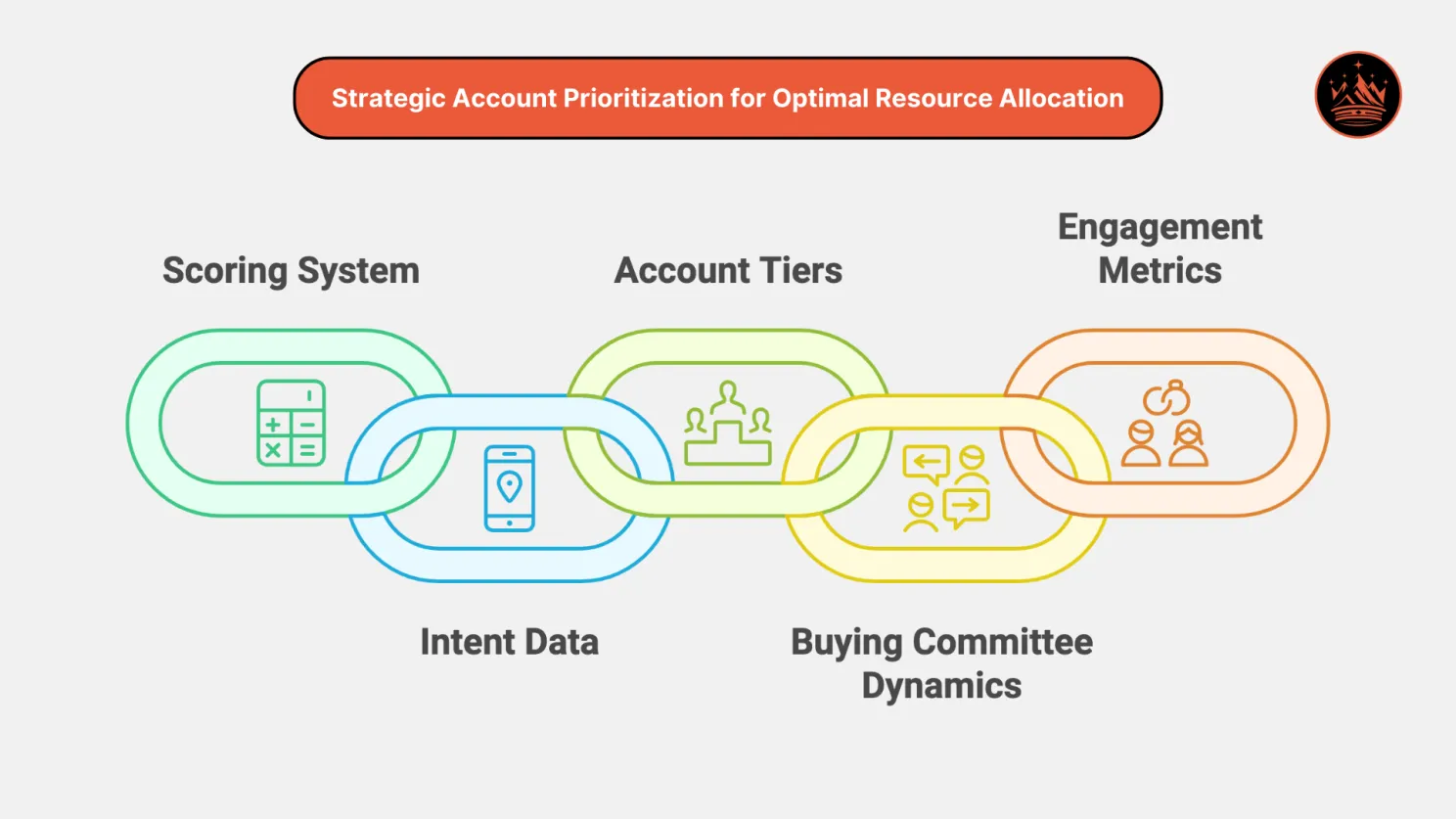
Once accounts are segmented, prioritization ensures resources are allocated effectively. Here’s how to rank accounts based on their value:
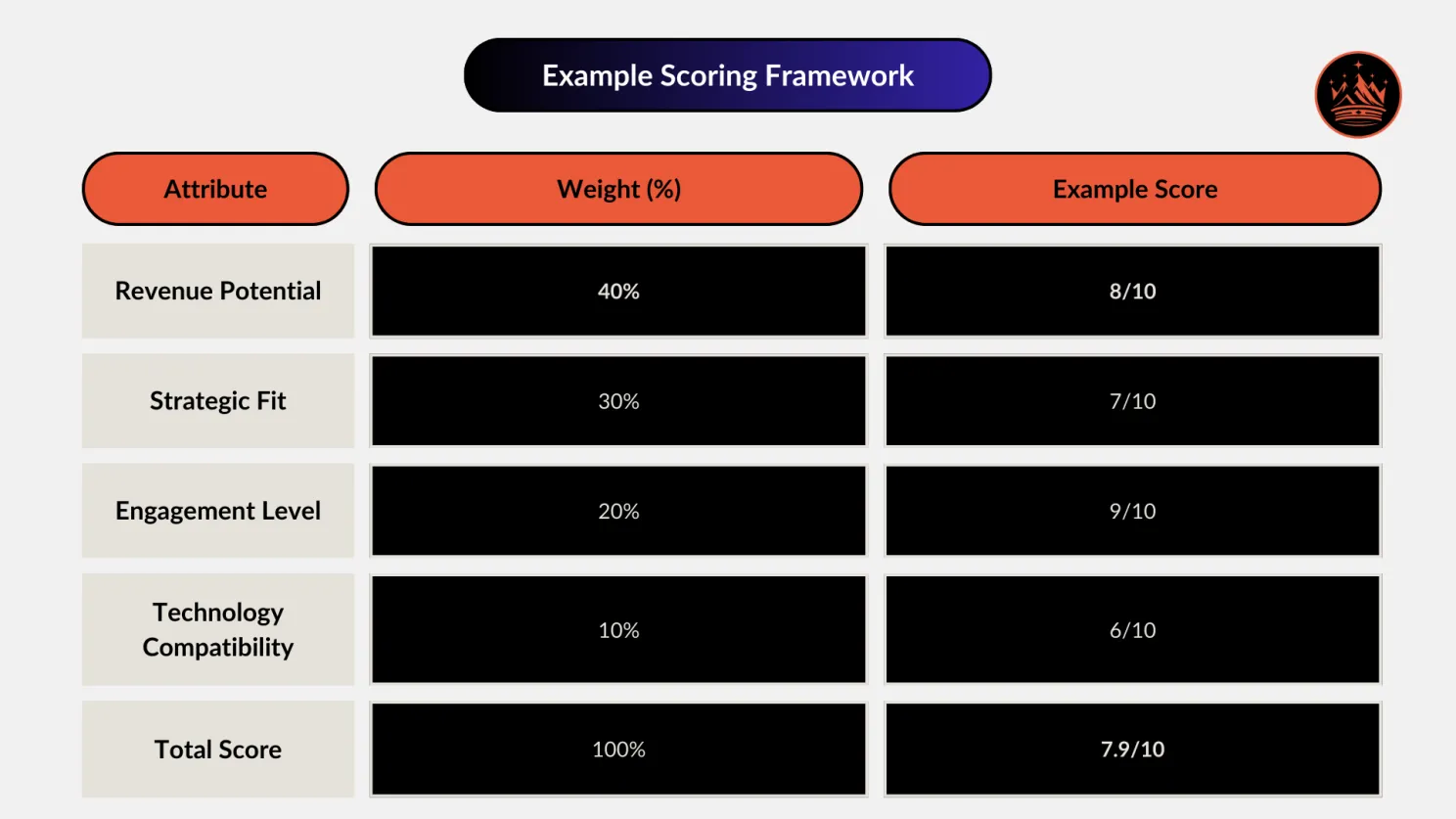
1. Use a Scoring System
Develop a scoring framework to quantify the value of each account. Assign scores based on attributes like:
- Revenue Potential
- Strategic Alignment with your business
- Likelihood of long-term partnerships
2. Leverage Intent Data
Intent data reveals which accounts are actively researching solutions similar to the ones offered by you. Tools like 6sense, Demandbase, or Bombora can help identify high-priority accounts based on their intent signals.
Example: An account researching “energy-efficient HVAC systems for factories” may indicate a readiness to buy, making it a high-priority target for a manufacturer of industrial cooling systems.
3. Incorporate Account Tiers
Classify accounts into tiers based on their value:
- Tier 1 (Strategic Accounts): High-value accounts requiring extensive personalization and resources, mainly targeted through One-To-One ABM Campaigns
- Tier 2 (Mid-Tier Accounts): Moderate-value accounts suitable for One-To-Few ABM Campaigns
- Tier 3 (Emerging Accounts): Smaller accounts with growth potential, often targeted through Programmatic ABM Campaigns
Example: A metal fabrication company might place Fortune 500 clients in Tier 1, regional manufacturers in Tier 2, and startups in Tier 3.
4. Evaluate Buying Committee Dynamics
Accounts with well-defined Buying Committees and engaged stakeholders are often higher-value targets. Use tools like CRM systems to map the committee and assess:
- Identify and Map Champions, Influencers, Decision-Makers, and Blockers
- Number of Decision-Makers
- Level of Engagement
- Influence of each Stakeholder
5. Monitor Engagement Metrics
Track metrics such as email open rates, website visits, and event attendance to gauge interest levels. High-engagement accounts often signal readiness for deeper conversations.
Real-World Example: Account Segmentation for Success
Consider a manufacturer of Industrial 3D Printers:
- Segmentation: Accounts are grouped by industry (automotive, aerospace, medical devices), company size, and technology adoption.
- Prioritization: High-scoring accounts included aerospace firms with dedicated R&D budgets and medical device companies investing in prototyping.
- Outcome: The company focuses resources on Tier 1 accounts, achieving increase in deal closures within six to eight months.
Challenges and Best Practices
Challenges:
- Data Silos: Incomplete or siloed data can undermine segmentation efforts
- Over-Segmentation: Excessive granularity may lead to complexity and inefficiencies
- Static Profiles: Relying on outdated information can misdirect efforts
Best Practices:
- Regularly update account data to ensure accuracy
- Balance granularity with manageability in segmentation
- Align segmentation efforts with sales and marketing goals to ensure consistency
Key Takeaways
- Segmentation Drives Focus: Divide target accounts into manageable groups to ensure tailored engagement.
- Prioritization Maximizes ROI: Rank accounts based on value to allocate resources effectively.
- Use Data Intelligently: Leverage firmographic, technographic, behavioural, and intent data for precision targeting.
- Adopt a Collaborative Approach: Involve both sales and marketing teams in segmentation and prioritization efforts.
For industrial engineering manufacturers, effective account segmentation and prioritization are vital components of a successful ABM Strategy. By categorizing accounts based on shared attributes and focusing on those with the highest potential value, manufacturers can achieve better alignment, deeper engagement, and higher ROI.
As we continue this blog series, we’ll explore how to research target accounts effectively, using data and analytics to craft informed strategies. Stay tuned for actionable insights to enhance your ABM efforts.
-1.png)
-1.png)