
In industrial engineering & manufacturing, where long sales cycles and complex decision-making are the norm, knowing your target customer is critical. This is where the Ideal Customer Profile (ICP) becomes a cornerstone of Account-Based Marketing (ABM). The ICP isn’t just a marketing tool; it’s a strategic framework that enables manufacturers to allocate resources efficiently, craft tailored campaigns, and engage the right accounts.
This blog delves into how to define your ICP in the industrial engineering & manufacturing sector and explores the tools and techniques that can streamline the process. By the end, you’ll have a clear roadmap for creating a robust ICP that aligns with your ABM strategy and business objectives.
What is an Ideal Customer Profile (ICP)?
An Ideal Customer Profile (ICP) is a detailed description of the type of company that would benefit most from your products or services. Unlike a Buyer Persona, which focuses on individual decision-makers, an ICP zeroes in on organizational attributes. For industrial engineering manufacturers, an ICP helps identify accounts that:
- Have a pressing need for your offerings
- Fit well with your production and delivery capabilities
- Offer the potential for long-term revenue and partnership growth
Why is an ICP Critical in the Industrial Engineering & Manufacturing Sector?
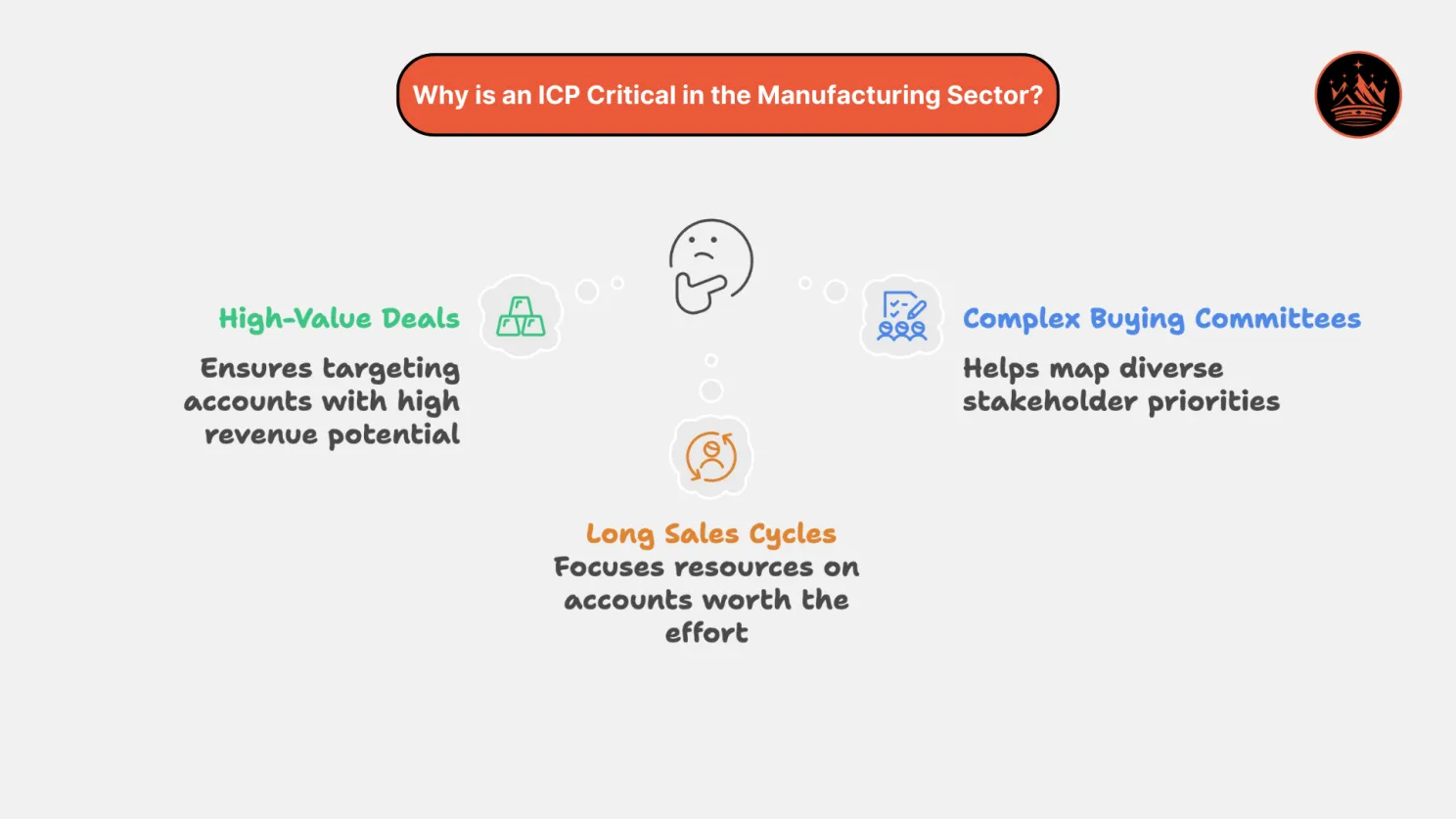
1. High-Value Deals
In industrial engineering & manufacturing, deals often involve substantial investments. A well-defined ICP ensures your marketing and sales efforts target accounts with the highest revenue potential.
2. Complex Buying Committees
Engineering Manufacturers often sell to organizations with multiple stakeholders, including procurement officers, engineers, operators, and senior executives. A clear ICP helps you map and address the diverse priorities within these committees.
3. Long Sales Cycles
ICP development ensures your resources are focused on accounts worth the sustained effort required for long sales cycles.
How to Define Your ICP in the Engineering Manufacturing Sector
Creating an ICP requires a systematic approach. Here’s how to get started:
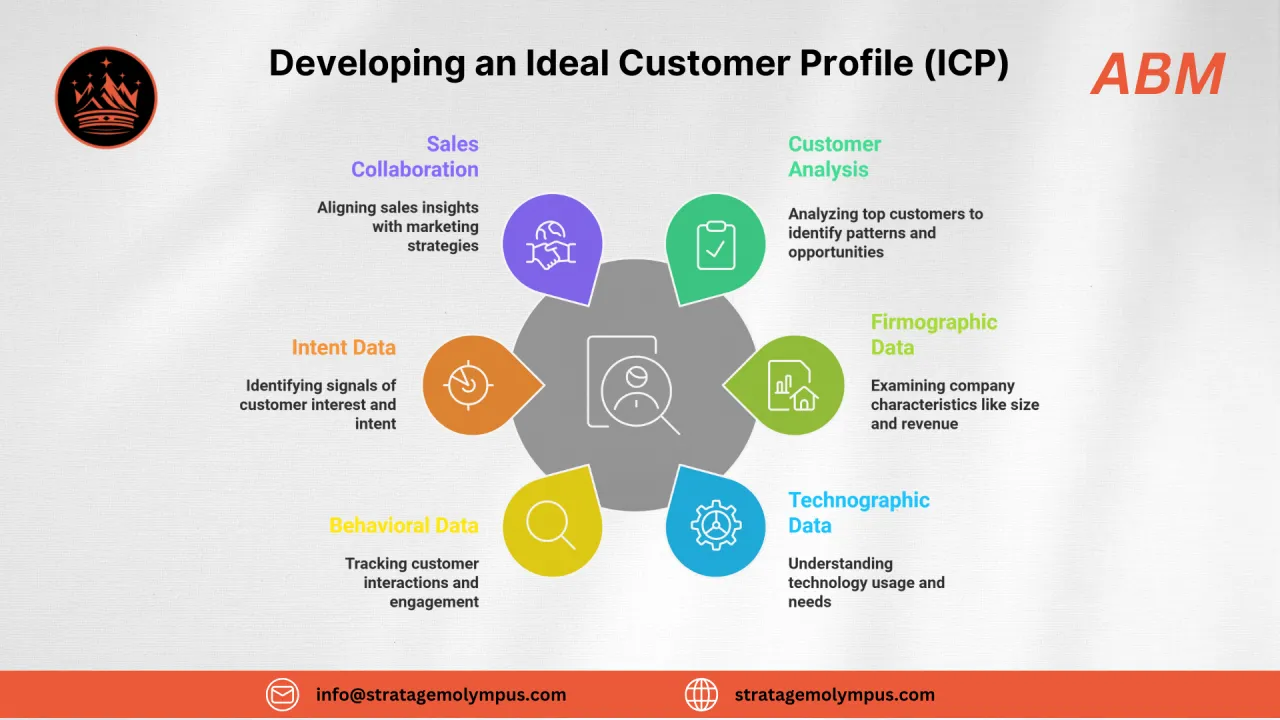
1. Analyze Your Existing Customer Base
Your best customers are a treasure trove of insights. Analyze accounts that:
- Generate the most revenue
- Have the longest-lasting relationships with your company
- Provide consistent feedback and partnership opportunities
Key Attributes to Analyze:
- Industry: What industries generate the most business? (e.g., automotive, aerospace, food processing)
- Company Size: Consider revenue, employee count, and operational scale
- Geography: Are they located in specific industrial hubs?
- Buying Behaviour: Are they early adopters, or do they require extensive nurturing?
- Challenges and Pain Points: What problems do they commonly face that your solutions address?
2. Define Firmographic and Technographic Data
Firmographics and Technographics provide a granular view of your target accounts.
- Firmographic Data: Includes company size, revenue, industry, location, and growth trends. For example, an industrial pump manufacturer might target companies with annual revenues of over $50 million in sectors like pharmaceuticals or food processing.
- Technographic Data: Focuses on the technology stack used by the target account. For instance, if you offer IoT-enabled manufacturing equipment, you might prioritize companies already investing in smart factory technologies.
3. Incorporate Behavioural and Intent Data
Modern ABM strategies leverage behavioural and intent data to understand target accounts’ interests and readiness to buy.
- Behavioural Data: Tracks interactions such as website visits, content engagement & downloads, and webinar attendance.
- Intent Data: Captures signals indicating interest in topics or solutions relevant to your offerings. For example, an account researching “automated assembly lines” might be a prime target for manufacturers specializing in robotic assembly lines.
4. Engage Sales Teams
Your sales teams interact directly with customers and prospects, making them invaluable in shaping your ICP. Collaborate with sales to:
- Identify common traits among successful deals
- Highlight red flags or disqualifying factors in unprofitable accounts
5. Segment by Business Objectives
Industrial engineering manufacturers often serve diverse sectors with varying needs. Segment your ICP by the goals of potential customers:
- Operational Efficiency: Accounts looking to reduce downtime or improve production throughput
- Cost Savings: Companies prioritizing cost-effective solutions
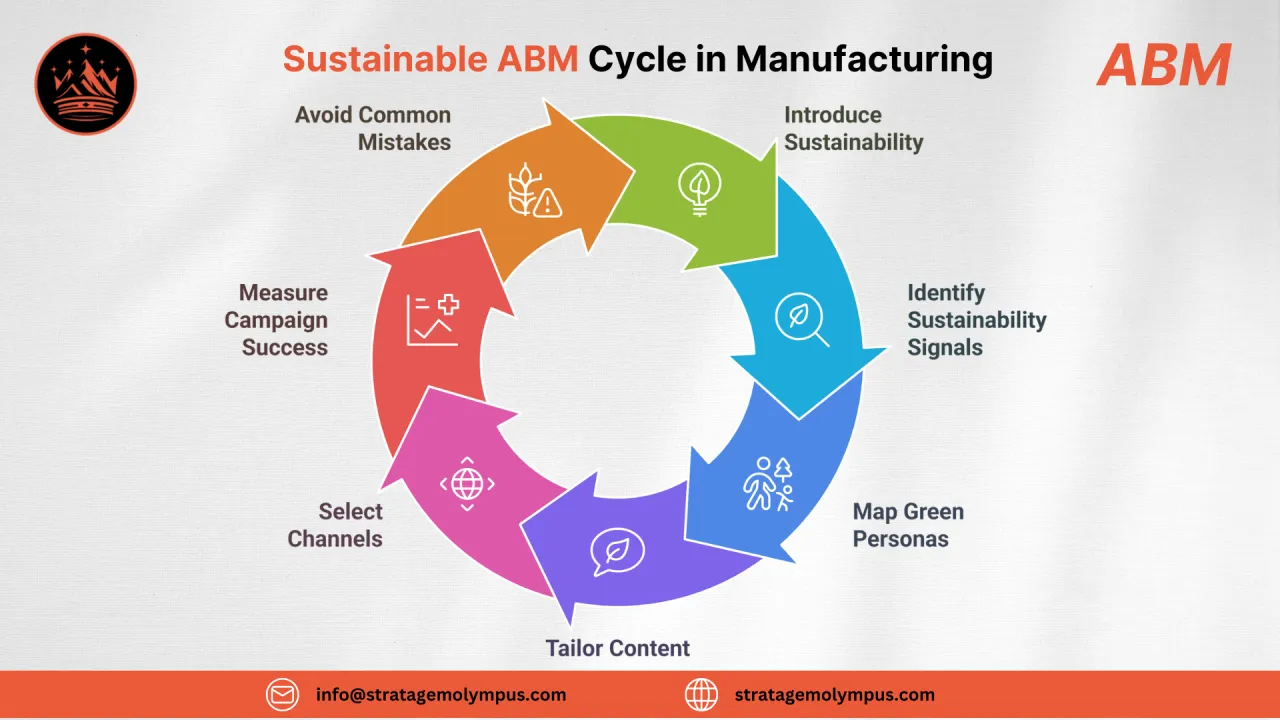
- Sustainability Goals: Firms focusing on eco-friendly manufacturing processes
Tools and Techniques for ICP Development
Defining an ICP doesn’t have to be a manual, time-intensive process. Various tools and techniques can simplify and enhance the process.
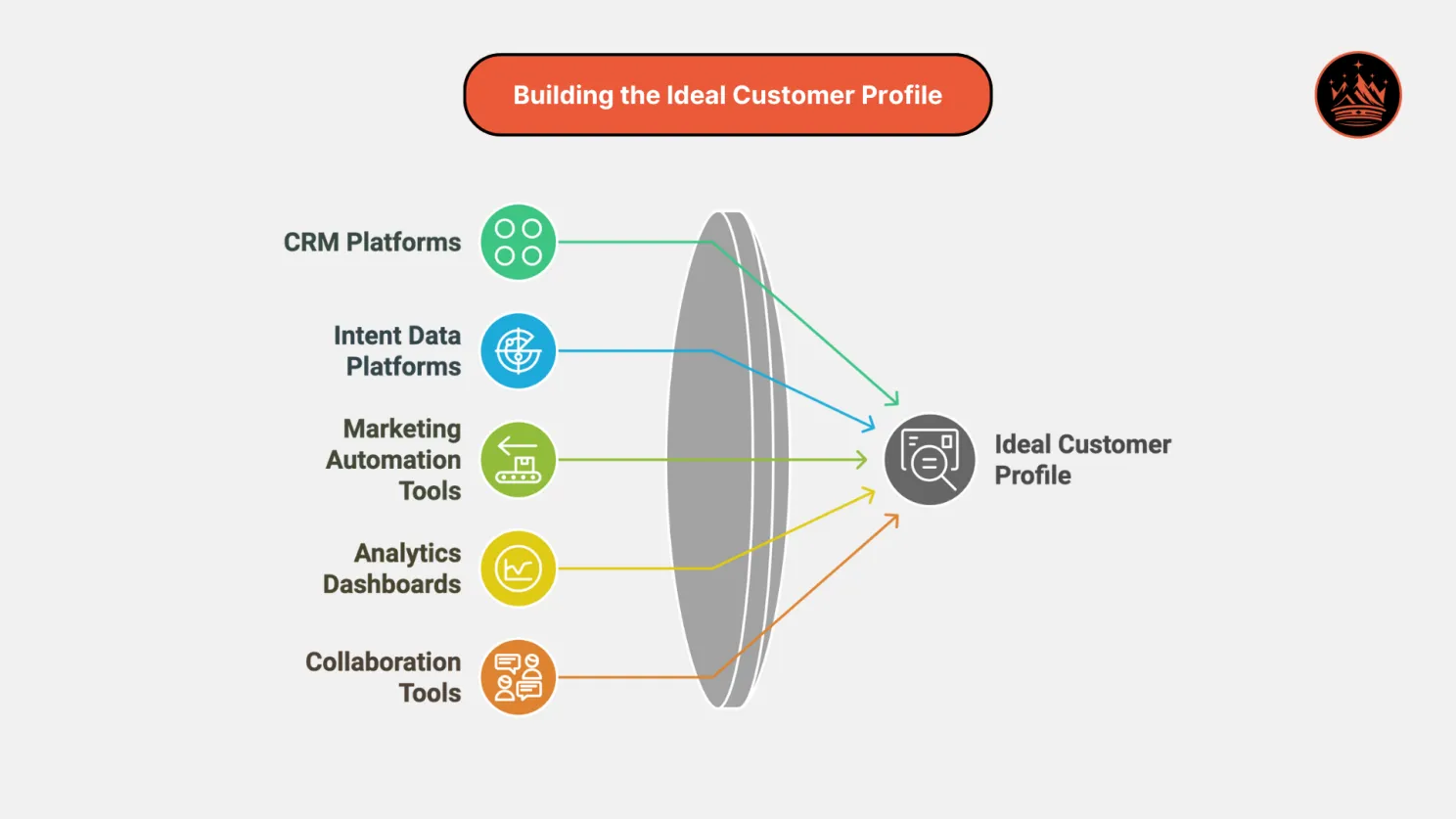
1. CRM Platforms
Leverage Customer Relationship Management (CRM) platforms like Zoho CRM, or HubSpot to analyze historical data and identify patterns among your best accounts.
2. Intent Data Platforms
Tools like Bombora, 6sense, and Demandbase provide insights into what target accounts are researching, enabling precise targeting.
3. Marketing Automation Tools
Platforms like ActiveCampaign, Adobe Marketo, or Zoho Marketing Automation can help segment accounts based on firmographic and behavioural data, aligning your campaigns with ICP attributes.
4. Analytics Dashboards
Google Analytics 4 and similar tools can track activity on your website, identifying high-engagement behaviour that match your ICP criteria.
5. Collaboration Tools
Use platforms like Slack or Notion to facilitate collaboration between sales and marketing teams during ICP development.
Common Pitfalls to Avoid
While defining your ICP, steer clear of these common mistakes:
- Overgeneralization: Avoid creating an ICP that’s too broad, as it dilutes the focus of your targeting efforts
- Relying Solely on Historical Data: While past success is a good indicator, ensure your ICP accounts for evolving market trends and technologies
- Neglecting Stakeholder Input: Exclude sales teams or customer success representatives, and you risk missing critical insights
Real-World Example of ICP Development
Let’s consider a supplier of precision tools targeting the Equipment Manufacturers:
- Firmographic Data: Focused on OEMs with annual revenues exceeding $10 million.
- Technographic Data: Targeted accounts using advanced CAD/CAM software, indicating readiness for high-precision manufacturing.
- Behavioural Data: Identified accounts that engaged with content on reducing material waste.
- Expected Outcome: The company crafts personalized campaigns, securing sizeable contracts within the first year.
Key Takeaways
- ICPs Provide Focus: A well-defined ICP ensures marketing and sales efforts are directed at accounts with the highest potential for success.
- Data-Driven Decisions: Leverage firmographic, technographic, and intent data to create accurate and actionable profiles.
- Collaboration is Key: Sales and Marketing must work together to refine the ICP, ensuring alignment with organizational goals.
- Evolve Over Time: Your ICP should be a living document, adapting to market changes, new technologies, and evolving customer needs.
For industrial engineering manufacturers, an Ideal Customer Profile (ICP) is more than a description—it’s the foundation of an effective ABM strategy. By identifying the right accounts and tailoring your approach to their unique needs, you can maximize engagement, drive revenue, and position your business as a trusted partner in the industry.
As we continue this blog series, we’ll explore account segmentation strategies and how to prioritize accounts based on value and potential. Stay tuned for actionable insights to refine your ABM Strategy further.
-1.png)
-1.png)